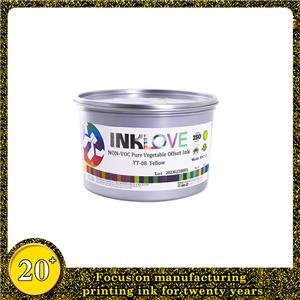
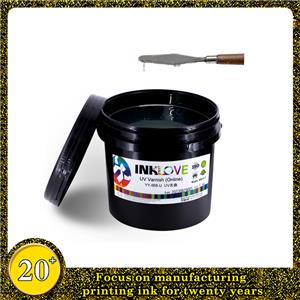
What ink is used in flexographic printing?
Flexographic printing mainly uses 3 mainstream ink categories: water-based ink, solvent-based ink, UV/LED curable ink; EB ink & bio-based ink are niche options.
1. Water-based flexo ink (Aqueous Ink, most eco & widely used now)
Composition: Pigment + water + water-soluble binder, water as main carrier solvent.
Drying: Water evaporates via hot air/IR dryer; partly absorbed by porous paper.
Application: Corrugated carton, paper bag, food paper packaging, paper label, tissue box (absorbent paper substrates).
Advantage: Low VOC, low odor, food-safe (comply with FDA/REACH), easy machine cleaning, low fire risk.
2. Solvent-based flexo ink
Composition: Pigment + organic solvents (ethanol, ethyl acetate etc.) + resin binder.
Drying: Volatile solvent evaporates rapidly at high speed.
Application: PE/PP plastic film, BOPP, aluminum foil, snack flexible packaging, shrink wrap (non-absorbent plastic/metal film).
Advantage: Great adhesion on non-polar plastic, fast drying for high-speed wide-web machine; Disadvantage: high VOC, flammable, strict exhaust required.
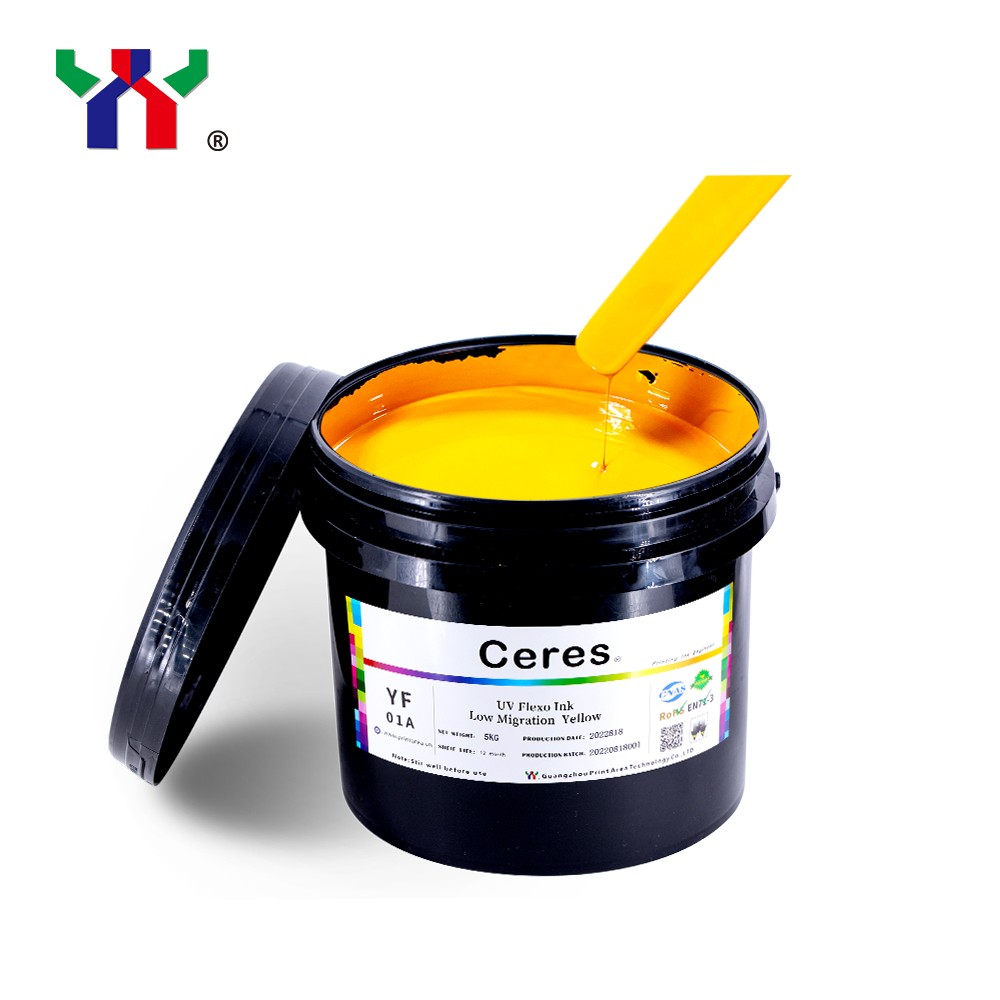
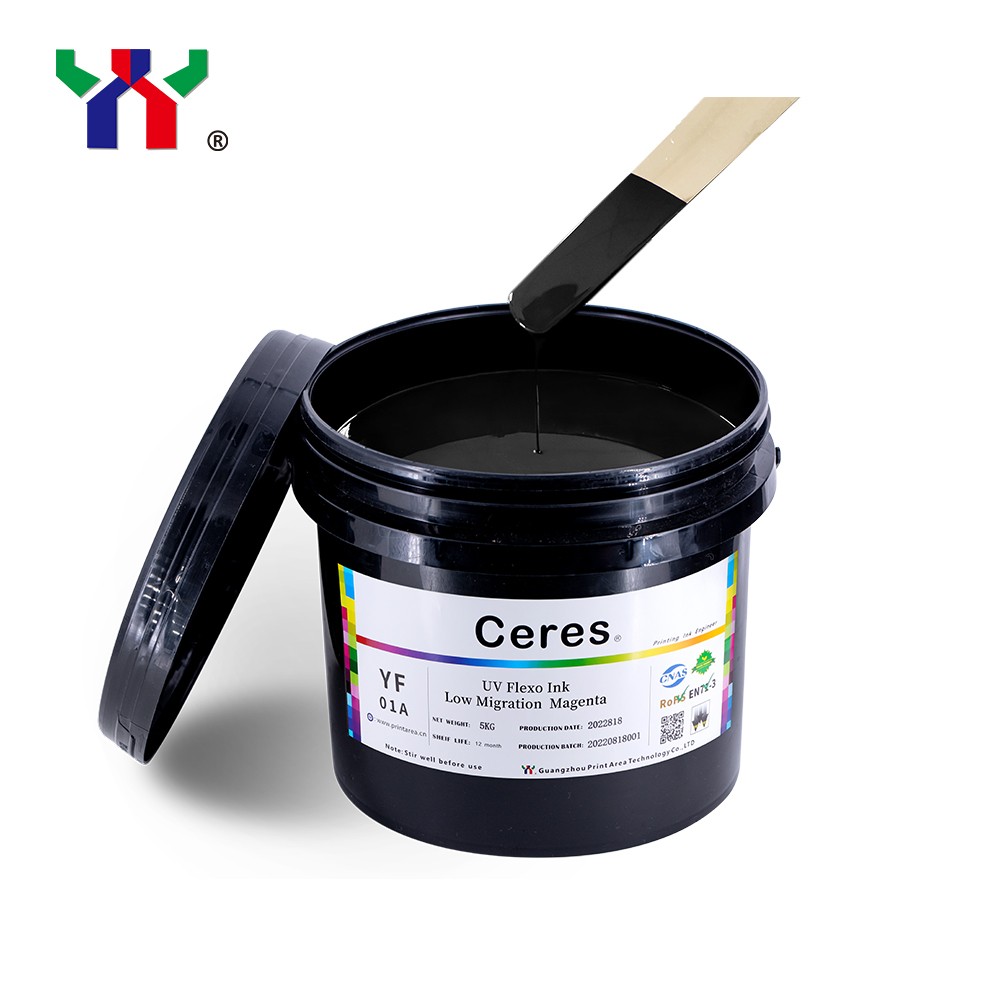
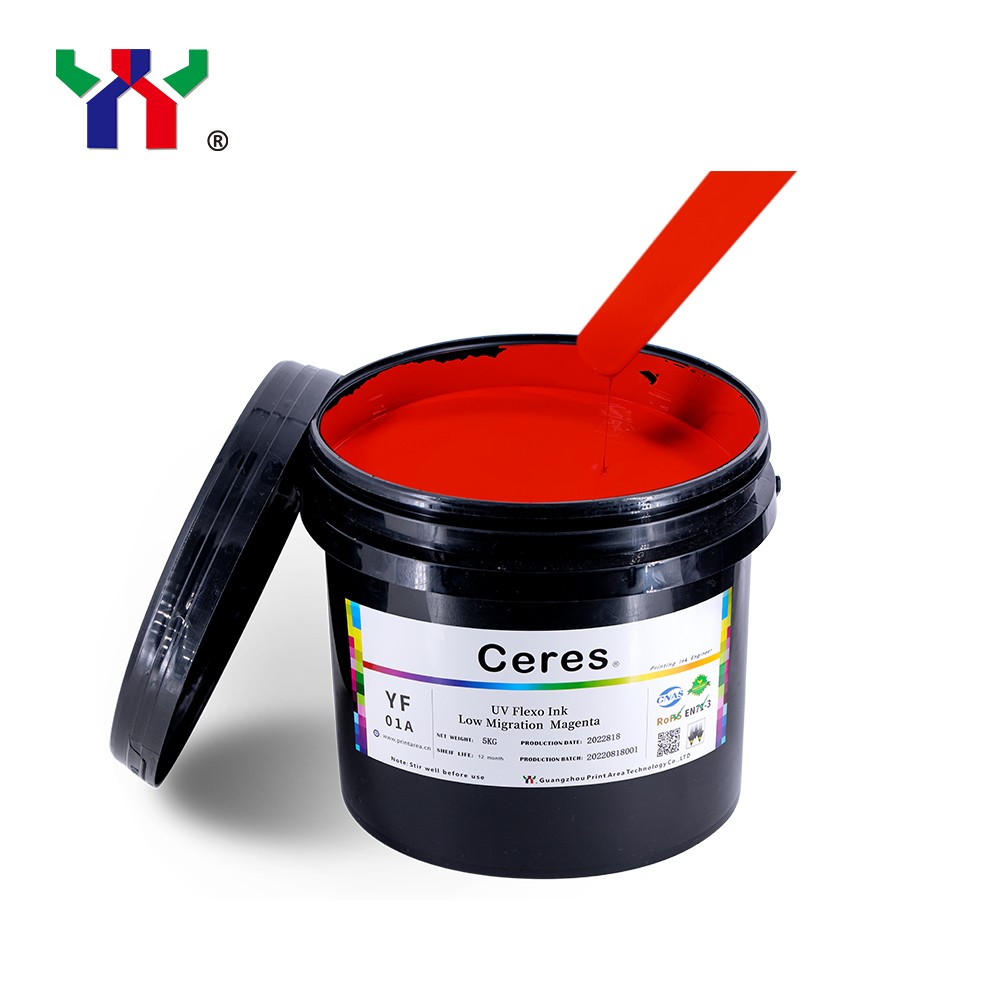
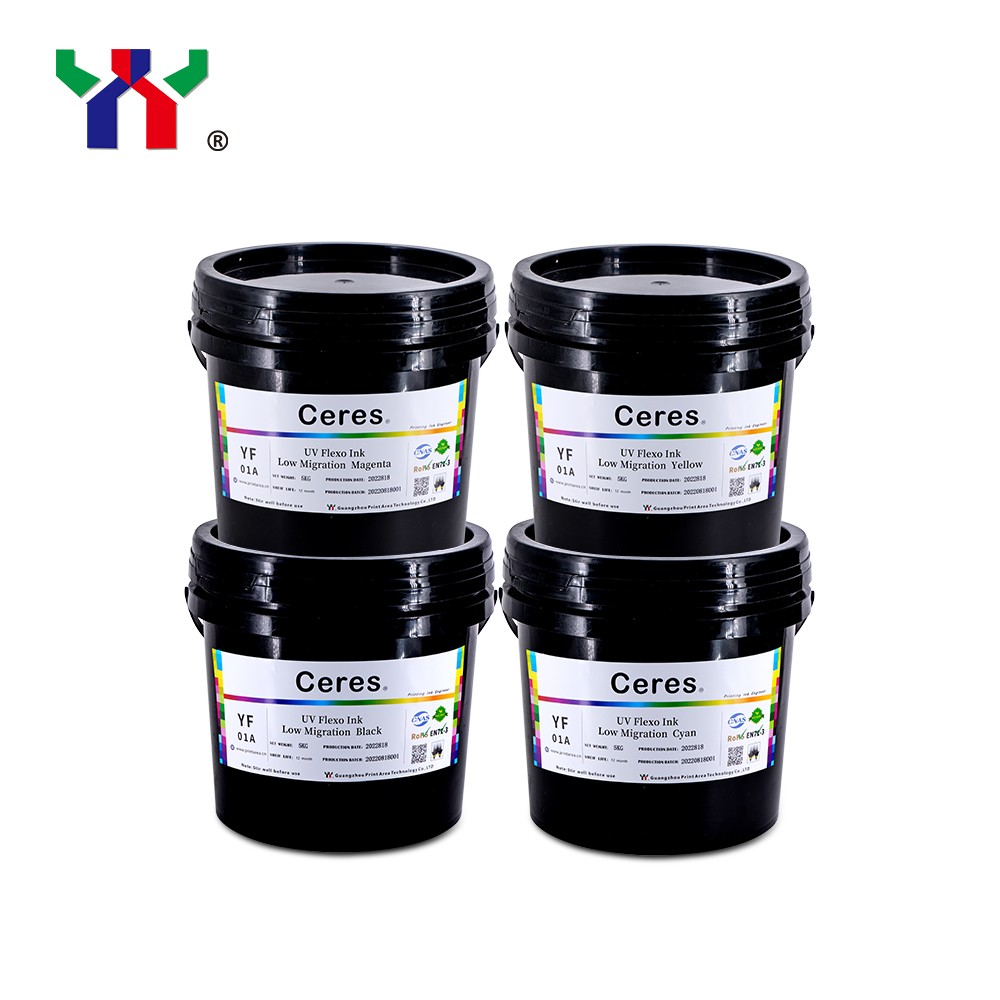
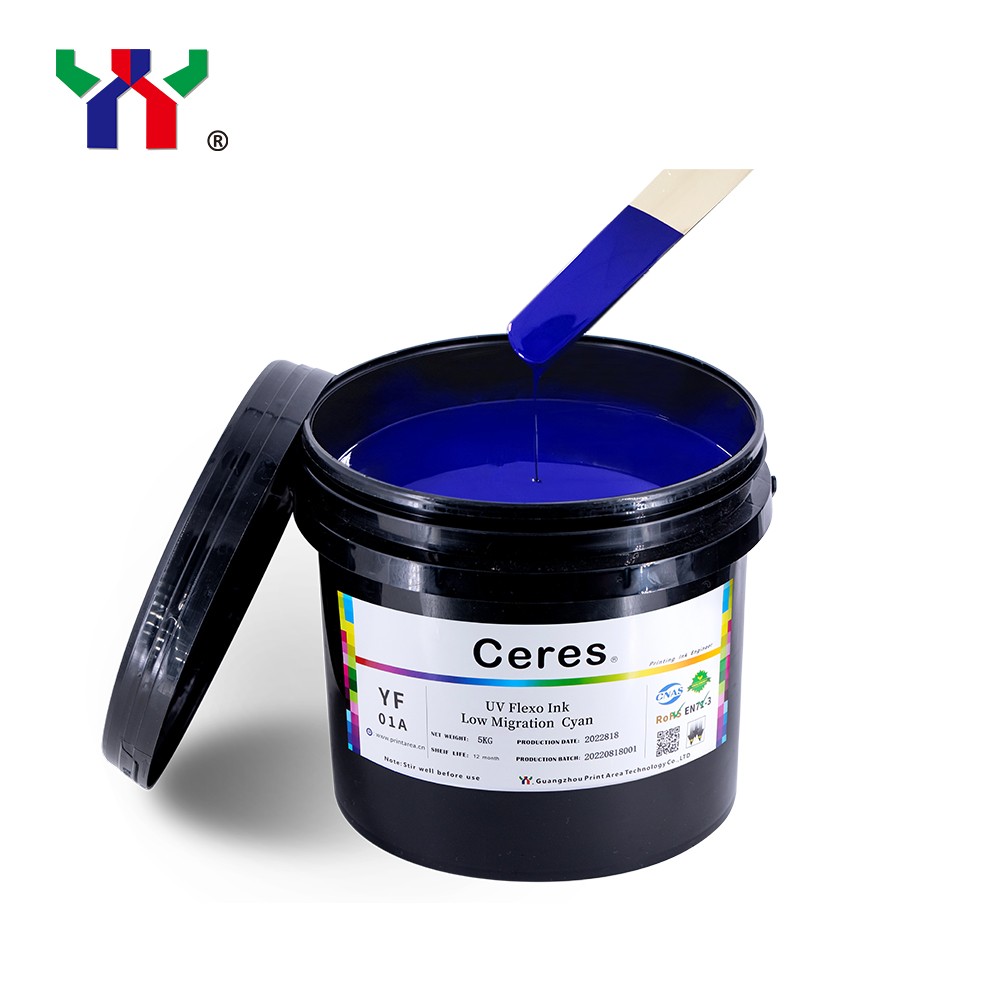
3. UV / LED Curable Flexo Ink (Zero solvent, instant curing)
Composition: No volatile solvent, oligomer + monomer + pigment + photoinitiator.
Curing: Instant crosslink & solidify under UV/LED lamp exposure (no waiting for dry).
Application: Narrow-web self-adhesive label, cosmetic plastic packaging, laminated box, rigid plastic & metal printing.
Advantage: Instant cure for immediate post-processing (die-cut/laminate), high gloss, excellent scratch & chemical resistance.
4. Minor flexo ink types
EB Ink (Electron Beam curing): Zero photoinitiator, high-end food ultra-safe packaging, expensive cost.
Bio-based Ink: Raw material from renewable plant oil, eco-friendly green packaging trending option.